Smart Home Design and Integration
Technology should be part of the design, not an added layer
Even a technically capable smart home system can feel visually or functionally disconnected from the interior when it enters the process too late. Keypads, sensors, thermostats, speakers and other visible components should be considered alongside walls, ceilings, millwork, lighting and furniture planning from the beginning.
The goal is for technology to feel like part of the architecture and the experience of the space, rather than a collection of devices added after the interior has already been resolved.
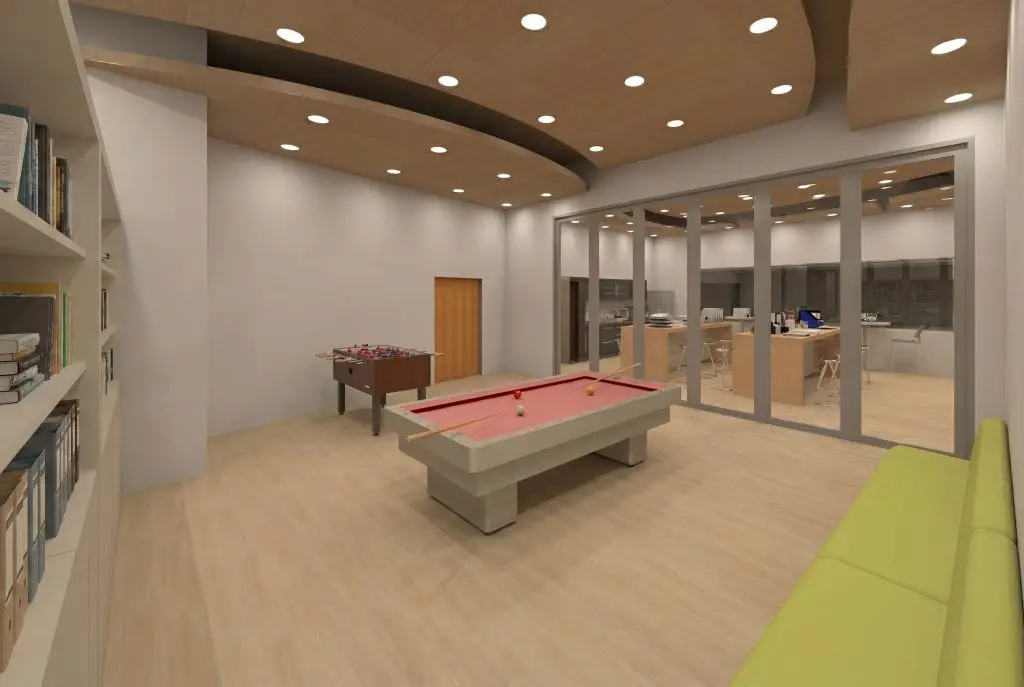
An entertainment area planned into the interior, from the studio portfolio.
The role of Euphoric Design Studio
Euphoric Design Studio leads the interior design and coordinates how smart home requirements relate to the space. Visible equipment, controls and interior related requirements are reviewed in relation to lighting, ceiling design, walls, millwork, furniture planning and the overall architectural composition.
Technical system design, equipment specification, supply, installation, programming, commissioning, warranty and technical support remain the responsibility of the appropriate Smart Home Specialist or Integration Company.
Where project management, construction management or execution support is included in the agreed project scope, Euphoric Design Studio may also coordinate how the approved interior design and smart home requirements are carried into implementation, including coordination with the General Contractor or builder, trades, consultants, schedules, procurement requirements and site activities.
This broader coordination role does not transfer technical smart home responsibilities to Euphoric Design Studio. Technical system design, equipment selection and specification, supply, installation, programming, commissioning, warranty and technical support remain with the appropriate Smart Home Specialist or Integration Company.
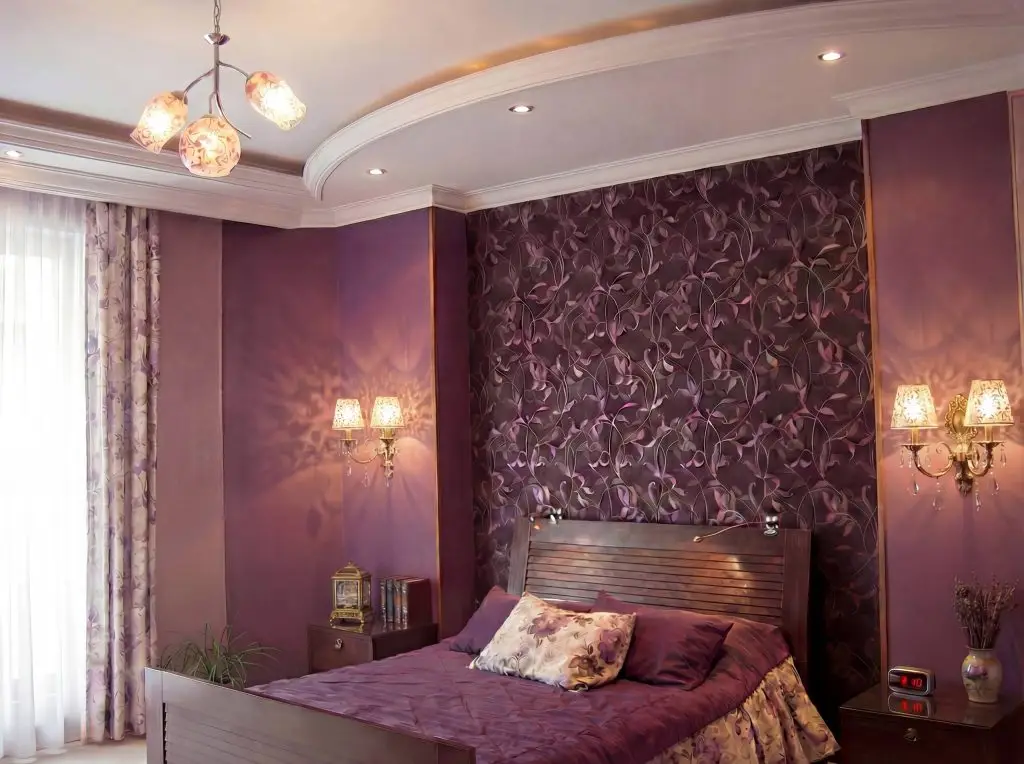
A bedroom designed around colour and light, from the studio portfolio.
Technology should adapt to the residents
A smart home is most useful when it responds to the way the household actually lives. Technology should not force residents to adapt their routines to the system. Controls, automations and scenes should, where appropriate, be informed by real patterns of movement, behavior and use.
We consider how people enter the home, which routes they use most often, when they cook, where they relax, when they need more or less light, and which controls should be accessible without unnecessary searching or complexity.
A well considered system should be understandable to different users in the household, not only the person most familiar with technology. Age, differing abilities, daily habits and comfort with technology can influence the placement and use of controls. In many cases, fewer controls placed more thoughtfully can create a simpler and more intuitive experience.
Systems coordinated within the interior design
Lighting control
Lighting control is not only about switching fixtures on and off. Different lighting needs can be identified around activities and times of day, such as morning routines, cooking, dining, entertaining, reading or evening relaxation. These functional and experiential requirements can be defined through the interior design process and coordinated with the Smart Home Specialist, who remains responsible for technical programming and commissioning.
Climate control
Thermostats and sensors should be considered for both technical performance and their relationship to the wall composition. Their location can be coordinated with millwork, artwork, switches and other wall elements rather than being treated solely as an installation decision.
Audio visual integration
Televisions, speakers and audio visual equipment can be planned in relation to furniture layout, viewing distance, sightlines, millwork, lighting and the access required for future service.
Motorized shading
Motorized shading can be considered not only for visual integration but also for managing privacy, glare and incoming light at different times of day. Shade pockets and their relationship to ceilings and window details should be coordinated before construction where possible so the system remains visually integrated with the architecture.
Security and access
Cameras, entry systems and locks should provide the required function without necessarily becoming dominant visual elements at the entrance.
Infrastructure planning
Where the project scope allows, pathways, conduits and equipment locations should be coordinated with the Smart Home Specialist before framing and finishes restrict the available options.
Working with your Smart Home Specialist
Clients may work with their own Smart Home Specialist or Integration Company. Where appropriate, clients may also be introduced to relevant professionals from Euphoric Design Studio’s professional network.
Equipment selection, technical specification, procurement, installation, programming, commissioning, warranty and system support remain with the technical specialist. Euphoric Design Studio does not supply smart home equipment.
Clients may work with their own General Contractor or builder or, where appropriate, Euphoric Design Studio can help assemble the project team through its professional network. Where project management or construction management is included, Euphoric Design Studio may coordinate the Smart Home Specialist’s requirements with the General Contractor or builder, trades, consultants and the interior design schedule so that infrastructure, device locations and visible components are addressed at the appropriate stage. This does not mean Euphoric Design Studio is automatically acting as the General Contractor. The contractual responsibilities of each party are defined for the specific project.
Euphoric Design Studio does not supply smart home equipment and does not assume the technical specialist’s engineering, programming, commissioning, warranty or system support responsibilities.
Smart home technology and wellness design
Within wellness design, technology is most valuable when it reduces small points of friction in everyday life and makes environmental control easier. Lighting control, motorized shading and climate control can support the management of light, glare, privacy and environmental conditions at different times of day.
The objective is not to add more technology. It is to use technology purposefully where it can support comfort, ease of use and better control of the home environment.
Related: Wellness Design Framework.
Accessibility and aging in place
Smart home integration can also be considered where accessibility or aging in place is part of the design brief. Control placement, ease of use, reducing the need to repeatedly reach multiple switches, and the ability to operate selected home functions from appropriate locations can be coordinated in response to user needs.
New builds, renovations and existing homes
Smart home integration can be considered in new custom homes, major renovations and some existing homes. The extent of integration possible in an existing property depends on the construction, available infrastructure, proposed system and project scope, and should be confirmed with the appropriate Smart Home Specialist.
For new builds and major renovations, early coordination can also be carried through construction where project management, construction management or execution support is included, helping align framing, pathways, conduits, equipment locations, ceilings, millwork and finishes with the Smart Home Specialist’s confirmed technical requirements.
All services are subject to the agreed scope of each project.
Plan technology into your interior
Planning a custom home or major renovation with integrated technology? Let’s coordinate the interior and smart home requirements before they become competing decisions on site.
Depending on the agreed project scope, our involvement can continue from interior design and smart home coordination through project management, construction management and execution support.
Frequently Asked Questions
Does Euphoric supply smart home equipment?
No. Euphoric Design Studio coordinates how smart home requirements integrate with the interior design. Equipment selection, technical specification, supply, installation, programming, commissioning, warranty and technical support remain with the appropriate Smart Home Specialist or Integration Company.
Can we use our own integrator?
Yes. We can coordinate the interior design requirements with your selected Smart Home Specialist. Where appropriate, clients may also be introduced to relevant professionals from our network.
Can smart home technology be added to an existing home?
Potentially. The extent of integration depends on the existing construction, available infrastructure, the proposed system and the scope of renovation. Feasibility should be confirmed with the appropriate Smart Home Specialist before equipment is specified.
Which system should we choose?
The appropriate system depends on the functions you need, the property, infrastructure, budget and technical requirements. Euphoric can help define the interior design and user experience requirements, while system selection and technical specification remain with the Smart Home Specialist.
Who handles programming and commissioning?
Programming and commissioning are handled by the Smart Home Specialist or Integration Company responsible for the technical system, not Euphoric Design Studio.