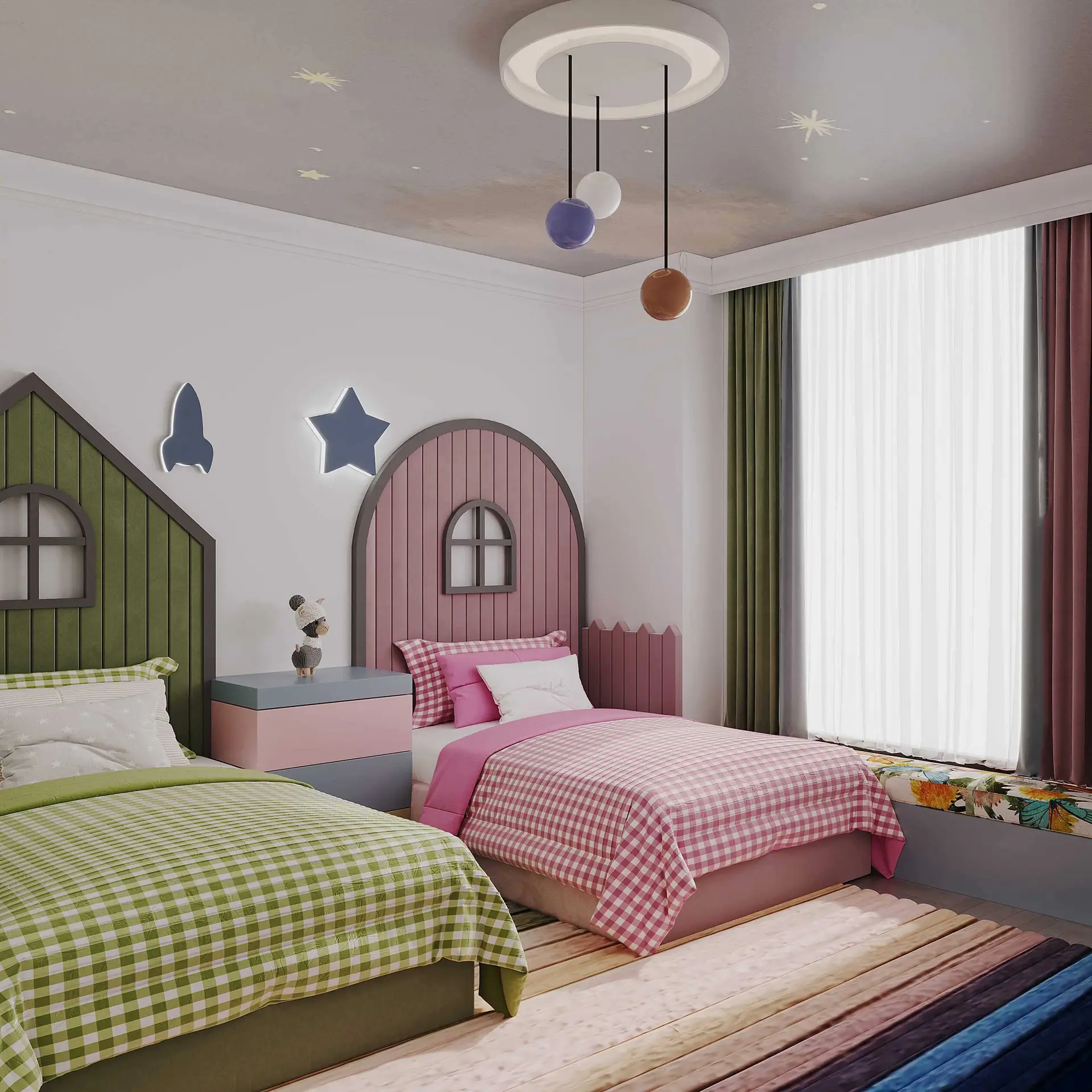
Your inner child is not something you outgrow. It is a psychological imprint that continues to shape how you respond to stress, comfort, and connection. In inner child interior design, your home becomes a direct reflection of those patterns. Yet most spaces are designed only for appearance, ignoring the emotional wiring underneath. That is where stress, fatigue, and disconnection begin.
How Your Home Affects Your Mental and Emotional Health
Your environment is not neutral. It either supports your nervous system or works against it. When your space does not align with your emotional needs, it reinforces discomfort in subtle but powerful ways.
Cluttered layouts can reflect and amplify a need for control.Cold, overly minimal interiors can increase emotional emptiness. Poor lighting and rigid layouts can keep your body in a constant state of tension.
Lack of personalization can disconnect you from your own identity.
This is where psychology-based interior design becomes essential. Your home is shaping your behaviour every day, whether you realize it or not, by influencing your mood, productivity, and overall well-being through its design and layout.
What Is Inner Child Interior Design
Inner child interior design is the process of translating your emotional patterns into physical space. It goes beyond aesthetics and focuses on how your environment makes you feel, function, and recover.
At Euphoric Design Studio, this approach is part of a larger wellness interior design framework that integrates emotional awareness with spatial design. Your home is no longer just designed to look appealing. It is designed to regulate your mood, support your habits, and restore your energy.
How We Design for Emotional Alignment
At Euphoric Design Studio, every design decision is intentional and rooted in how your body and mind respond to space.
Layout planning that supports natural movement and reduces friction.
Colour psychology influences mood and emotional balance, which can enhance overall well-being and productivity in the designed space.
Layered lighting to regulate energy and comfort throughout the day.
Materials and textures that create a sense of safety and grounding.
Personalized zones that reflect identity and emotional needs.
This approach is healing home design. Your space becomes a tool for alignment, not just decoration, as it fosters a deeper connection to your personal identity and emotional well-being.
Why This Approach Matters
When your environment aligns with your inner child, your experience of home changes completely. You feel calmer, more focused, and more connected to yourself. Your space starts giving energy instead of draining it.
This is not about trends. It is about designing a home that supports emotional well-being through interior design in a measurable and lasting way.
Watch Inner Child Design in Action
Real Project Example: Inner Child Design in Practice
This approach is not theoretical. It is already applied in our Spring Harmony Garden project, where the design focuses on creating a sense of calm, softness, and emotional restoration through nature, layout, and sensory balance.
👉 View the full project here: [Spring Harmony Garden]
Final Thought
If your home does not feel right, it is not random. It is feedback. The question is whether you continue to ignore it or design a space that finally works for you.


One Response
Hello this is test